The Stardale Curriculum
A learning program designed to help educators and organizations better understand the realities Indigenous youth navigate today.
Decades of lived experience translated into learning
The Stardale Curriculum grew from nearly three decades of working alongside Indigenous women and girls. Through community dialogue, mentorship, and shared experience, important insights emerged about the realities Indigenous youth continue to navigate today.
Those insights are brought together in a structured learning experience designed to help educators, organizations, and communities deepen understanding and strengthen prevention-informed practice.
More than a series of lessons, the curriculum reflects knowledge shaped through years of community-rooted work.
Why This Curriculum Exists
Across Canada, Indigenous youth continue to face disproportionate rates of suicide, violence, and systemic barriers that affect their well-being.
Many educators and professionals want to support Indigenous youth more effectively but lack opportunities to engage with learning grounded in lived experience.
The Stardale Curriculum was created to help close that gap.
Through storytelling, reflection, and guided dialogue, participants explore the challenges and experiences Indigenous youth face today and consider how individuals and institutions can respond with greater awareness and care.
What Makes This Curriculum Different
The Stardale Curriculum is not built from research alone.
It grew from nearly three decades of community-rooted work that began with Indigenous women gathering to speak openly about their lives and support one another.
Over time, that work expanded to include programming for Indigenous girls and young women focused on identity, confidence, cultural connection, and mutual support. Elders, knowledge keepers, and community leaders helped guide these conversations and teachings.
Through years of dialogue and programming, important insights emerged about belonging, resilience, identity, and healing within Indigenous communities.
The Stardale Curriculum brings these insights together and invites participants to consider how they shape our responsibilities to one another.
Who This Curriculum is For

EDUCATION
Schools, educators, and post-secondary institutions.

COMMUNITY & SOCIAL SERVICES
Youth workers and community organizations.

ORGANIZATIONS & WORKPLACES
Corporate, government, and institutional leadership teams.
Our Learning Approach
The learning experience within the Stardale Curriculum reflects Indigenous ways of learning that are relational, reflective, and grounded in lived experience.
Rather than focusing only on information, participants engage with stories, reflect on their meaning, and consider how those teachings shape our responsibilities to one another.
In many Indigenous traditions, learning unfolds through listening, relationship, and reflection over time. Knowledge is not simply delivered or extracted. It is understood through experience and shared understanding.
This approach is guided by several core principles:
Decolonizing Learning
Moving away from extracting information and toward building personal and collective wisdom.
Storytelling as Medicine
Honouring lived experience by reflecting on stories, shaping them, and understanding their power.
Holistic Growth
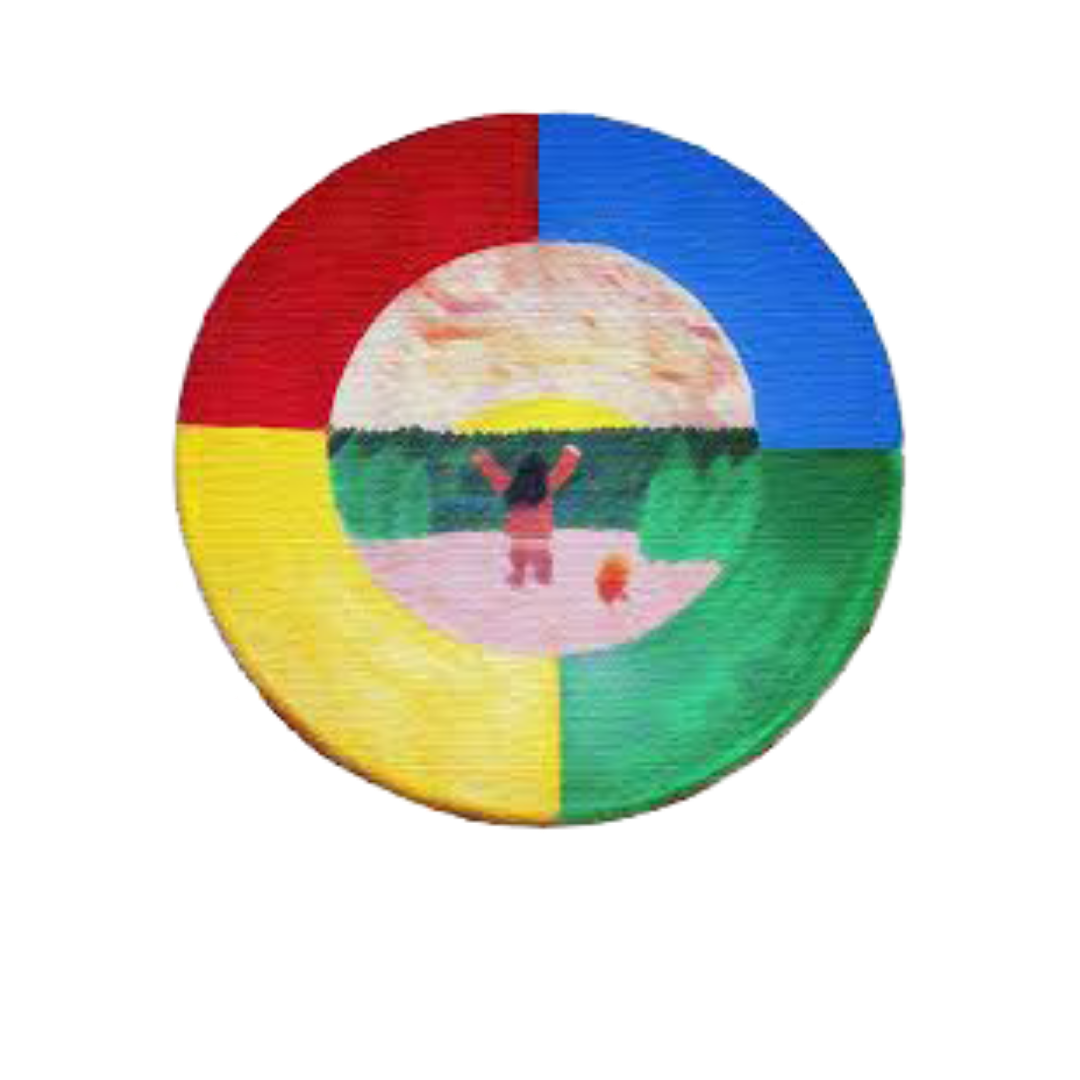
Engaging mind, spirit, emotion, and physical awareness in alignment with the teachings of the Four Directions.
A Personal Takeaway
Participants leave not only with a certificate, but with insights and reflections they can carry forward into their work and lives.
Learning becomes something that is experienced and carried forward rather than something that is simply absorbed.
The Stardale Sacred Bundle
More Than a Curriculum
The Stardale Curriculum invites participants into a learning process shaped by reflection, connection, and lived experience.
At the heart of this approach is the concept of the Sacred Bundle.
In many Indigenous traditions, a bundle carries items of meaning and knowledge gathered over time. In the Stardale Curriculum, the Sacred Bundle represents the insights participants collect as they move through the learning experience.
The practices included in the curriculum are not ceremonies in the traditional Indigenous sense, but reflective rituals developed within Stardale circles to support connection and personal growth.
Participants are invited to create their own bundle as they move through the curriculum, gathering insights and reflections that resonate with them.
The Four Directions of Learning
-
![The word HOPE in white text on a red background.]()
Recognizing the strength and possibility that exists within every young person.
-
![Blue background with the white word "BELONGING" centered.]()
Exploring identity, connection, and the importance of community.
-
![Green background with the word "MEANING" in white capital letters in the center.]()
Reflecting on experiences and understanding the lessons they carry.
-
![The word 'PURPOSE' written in white text on a gold background.]()
Discovering how personal stories can help guide leadership and change.

What the Curriculum Includes
Participants explore topics including:
• youth suicide and mental health
• bullying and violence
• identity and belonging
• intergenerational trauma
• resilience and healing
• leadership and empowerment
Participants receive:
• four curriculum modules
• more than twenty hours of video learning
• reflective exercises
• discussion guides
• programming resources
The curriculum supports educators, organizations, and facilitators in creating meaningful conversations about Indigenous youth experiences.
Access the Curriculum
Organizations and individuals interested in bringing the Stardale Curriculum into their learning environments are invited to explore access options.
Annual Access: $299
Before you begin:
How to Build Your Own Circle
This is a tribe
You may not have a professional playwright, a funded executive director, or a filmmaker, and that's okay. The essence of this work is in the roles and the spirit, not the job titles. Look around your community for:
The Steady Matriarch who everyone respects.
The Good Listener who loves stories and can harvest words.
The Creative Spirit who loves to play, act, and create.
The Tech-Savvy Storyteller with a phone, a camera, and a good heart.
The Respected Elder who knows the old ways and offers prayers.
The Reliable Helpers who like to cook, drive, and hold the practical space.
The Brave Young People who are ready to be heard and to lead.
Gather them. Sit in a circle. Share a meal. Start talking. Listen deeply. The rest will follow. As the Stardale circle learned, if even one person is listening, then it is all worthwhile.